August 4, 2026
The efficient and timely response of local sewer cleaning services during emergencies can significantly mitigate the impacts of sewer-related issues in municipalities. When municipal wastewater networks encounter unexpected main line blockages or sudden infrastructural collapses, speed is the determining factor in protecting public health, urban property, and surrounding natural environments. These localized service providers do not simply react to problems as they happen; they rely on proactive planning, continuous geographic mapping, and specialized regional assets to reach critical sites within minimal timeframes. Understanding how these crews operate provides deep insight into broader municipal management strategies and highlights the hidden logistics required to keep critical modern infrastructure fully functional under extreme physical pressure.
Managing urban wastewater requires a high level of agility and operational readiness from professional teams. Municipalities depend heavily on external subject-matter experts and contracted units that specialize in rapid-deployment sewer interventions. As populations expand and density increases within metropolitan areas, the stress placed on subterranean drainage networks accelerates exponentially. Local sewer cleaning services bridge the gap between unexpected pipe failures and long-term civil safety through structured dispatch protocols and heavy industrial machinery.
Managing Complex Infrastructures
Effective emergency response begins with a comprehensive, highly detailed understanding of the underground network. Mapping these systems allows field units to know precisely where every main pipe, lateral connection, and access manhole exists, which is vital for quick interventions during severe backups. Modern contractors digitize this spatial data using advanced systems, giving mobile dispatch units real-time access to sub-surface schematics right from their service trucks. When an urgent call arrives, technicians analyze these digital maps instantly to trace flow directions, pinpoint upstream cleanouts, and anticipate potential overflow pathways before arriving on site. Using local sewer cleaning services ensures that crews operate with an established understanding of regional underground layouts rather than wasting critical minutes diagnosing spatial orientation on location.
Identifying systemic vulnerabilities within the network helps crews prioritize which sections demand immediate focus during severe weather events or sudden system failures. Common vulnerabilities include aging pipelines, improper connections, or areas subject to frequent heavy rainfall. According to the American Society of Civil Engineers (ASCE), replacing nearly 4,700 miles of pipeline cost utilities over $3 billion. Recognizing these weak points allows for targeted interventions, reducing the need for widespread emergency responses. Field technicians combine historical maintenance logs with physical inspections to track structural degradation over time. By maintaining updated profiles on vulnerable pipe sectors, local sewer cleaning services deploy equipment proactively during high-risk conditions, stopping major system overloads before raw sewage backs up into commercial properties or residential streets.
Preparing Emergency Response Teams
Field technicians are only as effective as the hands-on instruction and safety training they complete. Specialized preparation programs equip response crews with the technical skills required to handle high-pressure scenarios, including high-volume water jetting, confined space entries, and hazardous material containment. Instruction covers theoretical fluid dynamics alongside practical exercises using specialized vacuum trucks and continuous diagnostic tooling. Beyond mastering heavy mechanical equipment, technicians receive rigorous instruction in communication techniques, crisis management, and field logistics. Utilizing local sewer cleaning services gives property managers access to technicians who maintain up-to-date industry certifications, enabling rapid decision-making and seamless execution when pipe failures threaten immediate structural damage.
Simulated emergency drills form an essential part of crew preparation, offering staff members a chance to apply skills within controlled, high-stress environments. These operational exercises replicate real-world challenges like sudden main line blockages, flash flooding scenarios, and heavy urban grease accumulation. By simulating catastrophic line failures, teams learn to adapt their deployment techniques rapidly, test high-pressure water jetting lines, and optimize safety rigging under strict time constraints. These regular drills expose operational bottlenecks, enabling fleet directors to refine dispatch methods and streamline tool layout configurations within service vehicles.
Utilizing Advanced Diagnostics
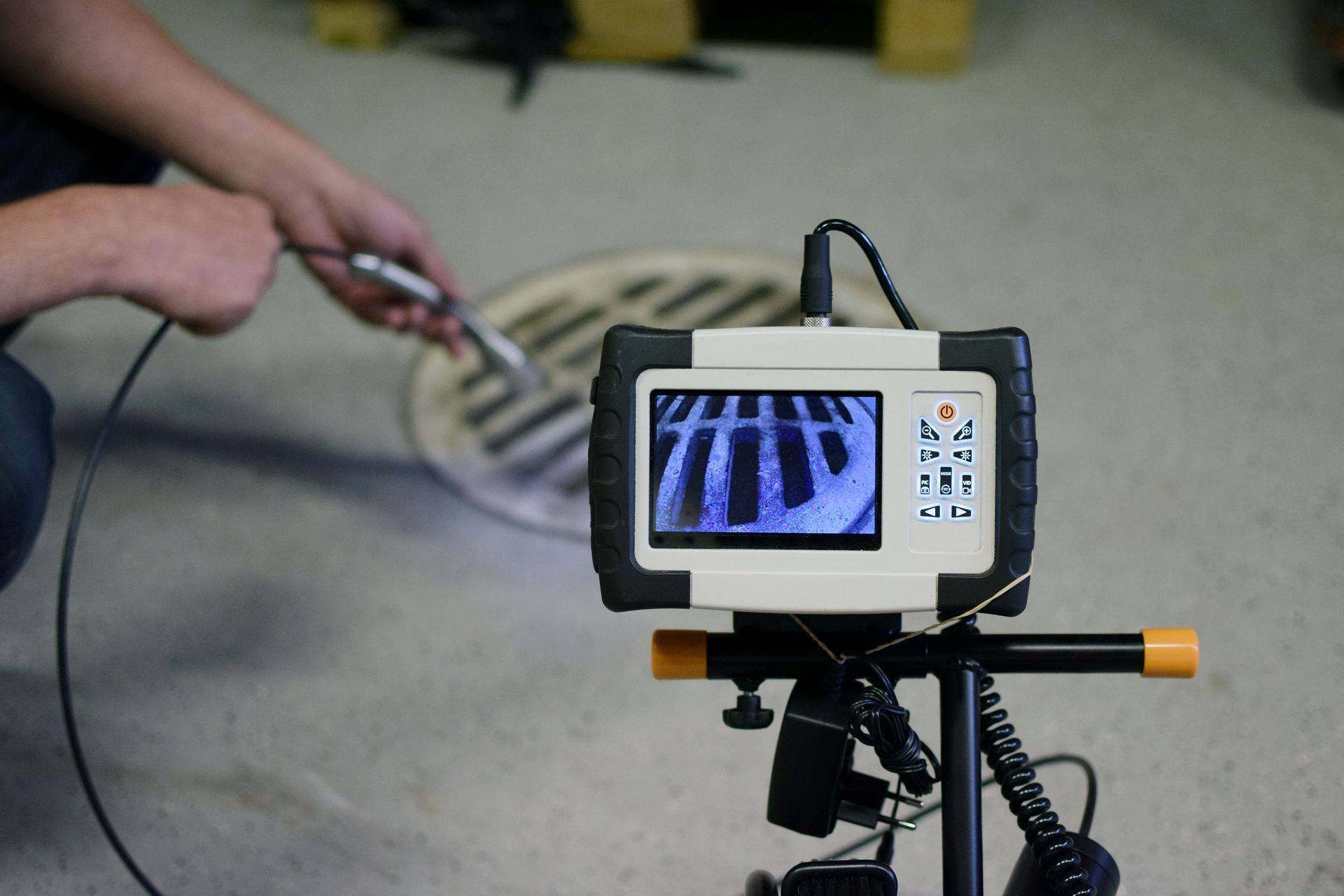
The adoption of real-time diagnostic equipment allows for immediate assessment and swift action during critical line failures. Modern response units carry high-definition, self-propelled sewer cameras capable of traversing hundreds of feet inside subterranean lines to transmit live video feeds. When main line obstructions occur, technicians launch these robotic inspection tools straight into access points to identify the exact cause of the stoppage, whether it involves intrusive tree roots, collapsed clay pipes, or heavy grease buildup. Utilizing local sewer cleaning services ensures that dispatch teams arrive equipped with these advanced visual diagnostics, eliminating guesswork and allowing crew leaders to select the exact clearing head, cutter, or high-pressure nozzle needed for immediate extraction.
Geographic alignment tools and advanced pressure monitoring equipment work together to streamline emergency decision-making. Digital line tracers allow field crews to locate the precise depth and pathway of buried pipes from the surface, preventing unnecessary excavation and speeding up targeted repairs. When dealing with complex commercial or municipal networks, sensor readings provide clear data regarding line pressure drops and fluid velocity shifts. This technical clarity allows technicians to isolate damaged pipe segments quickly without disrupting connected, healthy lines nearby.
Executing Rapid Mobilization
Standard operating procedures provide a clear, proven framework for conducting emergency deployments under severe time constraints. Documented guidelines dictate every step of the response chain, from initial call intake and vehicle staging to site safety setup and line depressurization. Having clear protocols ensures every technician on site executes designated duties efficiently without overlapping roles or missing safety checks. These operational procedures are continually updated following major field operations to incorporate new safety standards and equipment upgrades. When property owners contact local sewer cleaning services, they activate a structured, systematic response plan designed to control hazards, secure the surrounding environment, and restore proper flow swiftly.
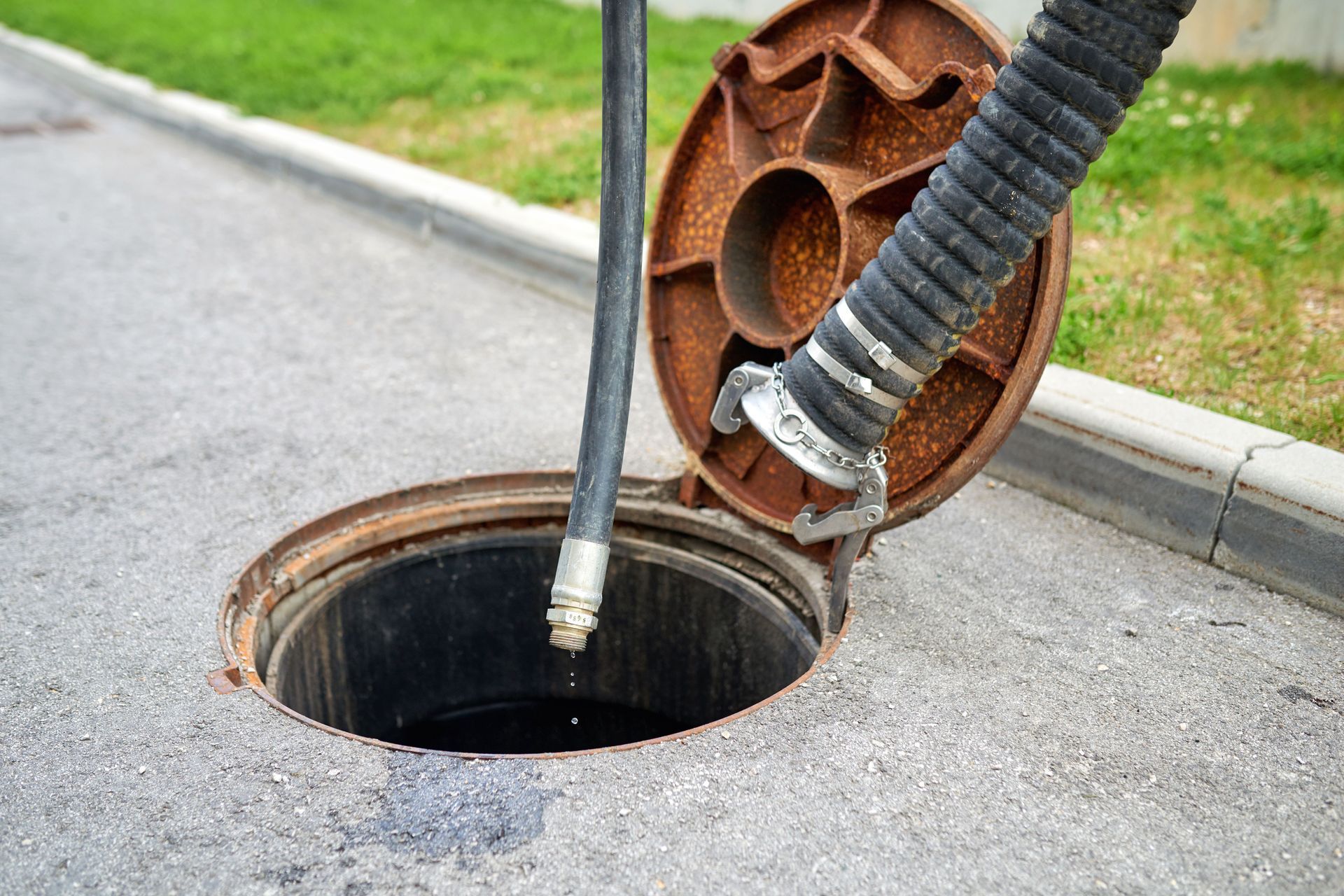
Quick mobilization strategies depend heavily on strategically positioned equipment fleets and pre-assembled tool packages. Professional dispatch centers maintain specialized vacuum trucks, combination jetter units, and mechanical rodding machines in constant states of readiness, complete with full water tanks and fueled generators. Staging service vehicles across accessible regional hubs allows response teams to bypass urban traffic bottlenecks and reach crisis points rapidly. Pre-packaged safety gear, bypass pumping setups, and diagnostic cameras remain permanently stowed on emergency rigs for immediate deployment upon arrival. Partnering with local sewer cleaning services guarantees that fully equipped, heavy-duty service vehicles arrive on site quickly, fully prepared to resolve major line failures on the spot.
Streamlining Site Communication
Utilizing multi-channel communication systems ensures that operational details move seamlessly between field crews, remote dispatchers, and site supervisors. Modern service fleets rely on integrated mobile networks, direct radio frequencies, and digital job management platforms to share live video feeds, line schematics, and status reports instantly. Clear communication prevents misunderstandings during complex extraction processes and allows field supervisors to request supplementary equipment or additional vacuum trucks without delay. Continuous data sharing keeps off-site managers fully informed regarding project timelines and site safety conditions. Engaging local sewer cleaning services provides property owners with transparent, real-time updates throughout the emergency process, ensuring complete operational clarity from start to finish.
Direct coordination with municipal emergency units, public works departments, and local utility providers is vital during large-scale wastewater incidents. Major pipe failures often require temporary street closures, traffic redirection, or water main isolations to allow heavy machinery to operate safely. Established service providers maintain ongoing relationships with city agencies, expediting the acquisition of emergency permits and traffic control assistance when rapid access is required. Coordinated multi-agency responses minimize public inconvenience while ensuring field personnel perform heavy extraction procedures safely.
Local sewer cleaning services maintain community health and infrastructure stability through fast dispatch times, specialized machinery, and proven operational expertise. Their ability to handle sudden main line blockages, structural collapses, and severe wastewater overflows rests on continuous team preparation, advanced camera diagnostics, and streamlined communication networks. For dependable, rapid-response drainage solutions that protect your property and restore main line flow efficiently, contact Rapid Rooter today to connect with our certified team of experts and secure your emergency maintenance plan.