August 8, 2026
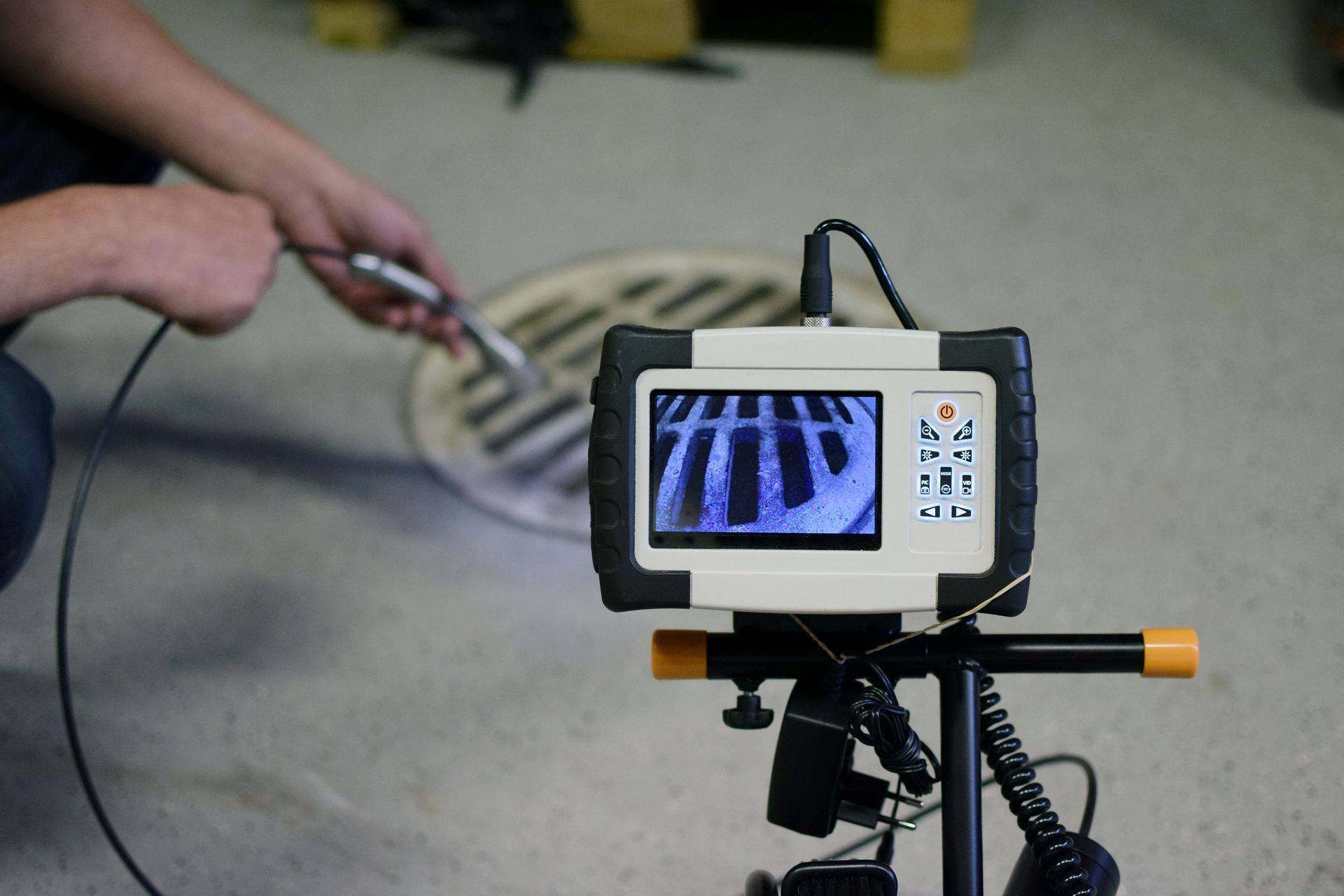
The main waste line running beneath a property is often out of sight and out of mind until a major backup occurs. Sewer inspections play a vital role in preserving home infrastructure, preventing costly property damage, and maintaining sanitary living conditions. Using high-resolution camera technology and specialized diagnostic equipment, technicians navigate deep within underground piping networks to assess system health. When skilled sewer cleaners evaluate an underground drainage system, they systematically search for physical defects, blockages, structural vulnerabilities, and environmental hazards that could jeopardize performance. Understanding what takes place during an inspection helps property owners take proactive measures before minor pipe issues escalate into expensive plumbing emergencies.
Identifying Tree Root Intrusion in Drainage Lines
One of the most common issues technicians encounter during an underground camera assessment is tree root intrusion. Tree roots naturally seek out moisture, nutrients, and oxygen, which underground drain lines provide in abundance. Microscopic hairline cracks, unsealed pipe joints, or loose rubber couplings offer an easy entry point for thirsty root systems. Once inside the line, roots thrive, forming thick, sponge-like masses that catch toilet paper, solid waste, and debris.
As skilled sewer cleaners guide flexible video cameras through the piping, they examine every joint for signs of root penetration. Left untreated, fine feeder roots grow into dense root balls that completely choke off wastewater flow and exert outward pressure on pipe walls. This pressure can crack clay or cast-iron lines, causing widespread structural failure. Identifying root intrusion early allows professionals to clear the line using mechanical snakes or high-pressure hydro-jetting equipment before permanent pipe replacement becomes necessary.
Assessing Accumulated Grease, Fat, and Debris Buildup
Another primary focus during a pipe evaluation is identifying stubborn internal clogs caused by everyday household waste. Kitchen sinks, dishwashers, and laundry drains discharge organic matter, soap scum, and cooking oils that coat inner pipe walls over time. When hot grease goes down a drain, it cools and hardens along the bottom and sides of the sewer line, catching other passing debris and narrowing the pipe diameter.
This gradual accumulation poses severe environmental and structural risks for municipal and residential infrastructure alike. According to the U.S. Environmental Protection Agency, between 23,000 and 75,000 sanitary sewer overflows happen annually, with fats, oils, and grease causing a large portion of them. During an evaluation, experienced sewer cleaners measure the thickness of grease layers and determine whether high-pressure water jetting is needed to scour the line back to its original capacity. Detecting heavy grease buildup early prevents foul odors, slow drains, and hazardous sewage backups into home basements.
Inspecting Structural Cracks, Fractures, and Pipe Breaches
Structural integrity is a critical focal point of any thorough drain line assessment. Underground pipes are subjected to constant soil pressure, ground settling, heavy traffic loads above, and natural seismic shifts. Over decades of service, rigid pipe materials like clay, concrete, or aging cast iron can develop stress fractures, offset joints, or severe longitudinal cracks that threaten the entire drainage system.
When professional sewer cleaners examine live video feeds, they closely analyze the pipe wall surface for structural flaws. Cracks allow surrounding dirt and soil to enter the line while letting raw sewage leak into surrounding groundwater. In severe cases, soil erosion around a cracked pipe creates underground voids, ultimately causing the pipe to collapse or the ground above to sink. Catching structural fractures early enables homeowners to explore trenchless repair options, such as epoxy pipe lining, which seals damage without destroying lawns or driveways.
Detecting Pipe Sagging and Low Structural Points
Unlike pressurized fresh water lines, main waste systems rely entirely on gravity to push wastewater and solid materials toward municipal treatment facilities. For gravity systems to function correctly, pipes must maintain a consistent downward slope. When ground beneath a pipe settles or shifts due to poor compaction or excessive moisture, a portion of the pipe can sink, creating a low spot commonly known as a pipe belly or sag.
During an inspection, trained sewer cleaners look for standing water in areas where the line should be dry. A pipe belly acts as a continuous trap where water accumulates, causing solid waste and toilet paper to settle at the bottom instead of flowing away smoothly. Over time, these standing water zones create repeated blockages that standard drain snaking cannot permanently resolve. Identifying a pipe sag allows homeowners to understand why recurring clogs happen and plan necessary grade corrections or structural repairs.
Evaluating Pipe Material Aging and Internal Corrosion
The composition of your main drain line plays a massive role in its expected lifespan and overall durability. Older homes frequently feature clay tile, cast iron, bituminized fiber, or galvanized steel pipes, while modern constructions typically utilize smooth PVC or ABS plastic. Each material wears down differently over time, requiring tailored evaluation strategies during a camera inspection.
Experienced sewer cleaners inspect cast-iron lines for severe tuberculation, a form of internal rust scale that creates rough, jagged surfaces inside the pipe. This rust buildup catches solid waste and restricts flow. On older clay lines, technicians check for loose or offset mortar joints where sections have separated over time. Recognizing how specific materials age helps technicians estimate remaining pipe lifespan and advise property owners on whether routine cleaning or full line replacement is the most cost-effective path forward.
Uncovering Foreign Objects and Non-Flushable Obstructions
In addition to organic waste and grease buildup, camera inspections frequently uncover foreign objects lodged inside main drain lines. Items like flushable wipes, paper towels, feminine hygiene products, dental floss, and children's toys frequently end up down toilets and drains. Despite misleading product packaging, many items do not break down in water and quickly snag on rough pipe joints or existing root patches.
When knowledgeable sewer cleaners spot non-flushable objects during an evaluation, they can pinpoint their exact depth and location along the property line. Knowing precisely where an obstruction sits allows technicians to select the proper cutting heads or retrieval tools to clear the blockage efficiently without causing unnecessary damage to the surrounding piping network.
Analyzing Pipe Connections and Main Line Transitions
Beyond checking individual pipe lengths, technicians pay careful attention to structural transition points within the plumbing system. The connections where residential lateral lines merge into municipal sewer mains, as well as joint fittings between different piping materials, represent common failure zones. Unsealed fittings, degraded rubber couplers, or misaligned directional tees create structural turbulence that slows wastewater movement and traps solid debris.
During an underground inspection, certified technicians verify that all transition fittings comply with regional plumbing codes and retain watertight integrity. They inspect structural cleanouts, vent stacks, and backflow prevention valves to ensure that rising sewage cannot reverse direction during heavy rainfall or main line blockages. Catching misaligned fittings or leaking joints at these crucial junctions protects surrounding soil from contamination and prevents unexpected structural collapses beneath driveways and foundation slabs.
Investing in routine camera inspections provides valuable peace of mind and safeguards your property against sudden, costly plumbing disasters. Whether you are purchasing a new home, renovating an older property, or dealing with sluggish drains, an underground camera assessment provides a clear, objective look at your plumbing infrastructure. Partnering with certified sewer cleaners ensures that subtle warning signs are caught before they lead to emergency backups. By addressing small repairs proactively, homeowners preserve structural pipe integrity, maintain healthy indoor environments, and protect the overall value of their property for years to come. So contact Rapid Rooter today to schedule a professional camera inspection and protect your home from sudden, costly sewer line emergencies.